
Sharing Love This Valentine’s Day: All Neurotypes Welcome!

As a pediatric OT, my Valentine’s Day preparation is in full swing! I always look forward to seeing kids’ little Valentine cards, doing crafts with glitter and tiny hearts, decorating in pink, with Valentine’s vibes all around (chocolate included, of course!).
As I get into the Valentine’s Day spirit, here’s what’s been on my mind lately:
Love doesn’t look the same for everyone… and that’s a good thing!
Have you heard of the idea that people give and receive love in different ways? It’s often talked about in terms of five common “love languages”: different ways people tend to show their love to others, and feel loved in return. These can include things like quality time, words, actions, gifts, and physical closeness.
Think of someone you love…
…a family member
…a friend
…a child
…a partner
…Yourself <3 (YOU are worthy of love, too, of course!)
Sometimes, especially for folks with different neurotypes, giving and receiving love can look different.
Let’s take a look at ways to give and receive love this valentine’s day- all neurotypes and relationship types are welcome here!
1..Touch

Physical connection can be a powerful way to show love, but how we experience and enjoy touch can look very different for each person.
Here are some ways that showing love through touch may look:
Consensual, physical touch from a trusted person, like hugs, hand holding, and high fives.
Touch (tactile) input from comfort items or sensory play- cozy blanket, cuddly stuffed animal, soft PJs, fidget tools, sensory bins.
This can also be self touch- self hugs for regulating proprioceptive input, applying lotion, caring for your hair, tactile stimming.
Respecting and validating your loved one when they advocate “no” to physical touch.
💕 “It looks like your brother doesn’t want a hug right now. Maybe you can ask him for a high five or give him a hand heart to show your love.”
How do sensory differences come into play ?
Sensory processing differences describe differences in the we take in, process, and respond to sensory information- this is different for everyone. Here are some examples of ways that differences in processing “touch” sensations can show up in acts of love:
For some, touch can feel very intense. This is often described as tactile sensitivity. Things touching the skin (like certain textures or a hug) may feel like “too much,” uncomfortable, or distressing.
Some people seek out and crave touch to help their bodies feel regulated (aka sensory seekers!). They may enjoy hand squeezes, big bear hugs, cuddling, or messy sensory activities.
Some people have strong preferences about the type of touch. Light touch (gentle back rubs, tickles, cozy fabrics) may feel better than deep pressure (big hugs, massages, weighted blankets)…or vice versa! There’s no universal “best” kind of touch.
Some people prefer touch for a certain amount of time and then reach their limit, or “sensory threshold.” When that happens, they may need the touch to stop right away.
❤️ If you love someone with sensory differences, keep in mind that this is not personal- it’s great that your loved one feels safe and comfortable to communicate with you that they have reached their “touch limit”
Supporting touch needs in parent–child relationships
In families, this often looks like modeling your own sensory needs while supporting your child’s autonomy and boundaries. This could sound like:
“It sounds like you don’t want a hug right now. That’s okay.”
“Mommy likes soft, gentle hugs. Big bear hugs feel uncomfy to my body.”
“It looks like you want to cuddle with your sister- why don’t you ask her first to make sure it’s okay with her?”
2. Quality Time

There are SO many ways to spend quality time with your loved one! But what types of activities feel “quality” and loving for each person can vary.
Stim together- Stimming is short for self-stimulatory behavior, which means any repetitive or rhythmic action that helps someone regulate their body, express excitement, or just feel good. (Examples: rocking, hand flapping, humming, saying a word or sound over and over, or tapping a fidget toy). Joining a loved one in stimming can be a fun, validating way to share quality time and connect.
Parallel play- Play or do hobbies along side your person, without necessarily interacting. Here are some examples:
Dad and child are both in the living room. Child is on the floor playing with hotwheels cars and dad is sitting close by building with legos
One partner is playing video games while the other is doing a craft project in the same room
Shared deep interest time- Dive into a topic, hobby, or activity that excites both of you. Or be present and listen while your loved one shares about a topic they love.
Co-regulation – Support each other’s emotional or sensory states through calm presence or shared routines. Just being present can be so powerful.
Sensory play – Explore sensory play like textures, movement, sounds, or messy activities together (as long as the activity feels comfortable and safe to everyone involved).
Screen-based connection – Enjoy a show, game, or video together.
3. “Words” of Affirmation

Traditionally, “words of affirmation” are thought of as spoken compliments or expressions of love and appreciation. But we know that there are many different valid ways to communicate and provide affirmation. This can look like:
Non-spoken visual reminders – sticky notes, little drawings, images that communicate care or encouragement. (Who says words have to be words at all?)
Compassionate self talk- Inner self talk that that reminds yourself that you are worthy and loveable
❤️ For parents: Modeling compassionate self talk in your “out loud voice” can be a great way to teach children how to practice this skill on their own.
Sharing a new fact, joke, or riddle- Did you know a flamingo’s heart can weigh up to 12 pounds?!
Info-dump- Info-dumping is when someone shares a whole bunch of information on a specific topic, all at once- it’s usually shared about a deep interest, with a lot of intensity and excitement. While anyone can do it, it’s especially common amongst neurodivergent individuals, and it can be a way to to connect, share passions, and feel understood. This can be so affirming- both for the person sharing and for the person receiving the info-dump!
💕 Friendly reminder that some may feel uncomfortable when “put on the spot” to provide words of affirmation. They may allow “extended processing time,” or time by themselves to think and plan what they would like to communicate, and how.
Keep in mind there are many ways to communicate. This can include:
Spoken words
Written words
Gestaults (define)
Use of AAC
Gestures or body language (e.g., thumbs up, fist bump)
Sign Language
Any other way the person prefers to communicate- all forms are valid!
4. Acts of service
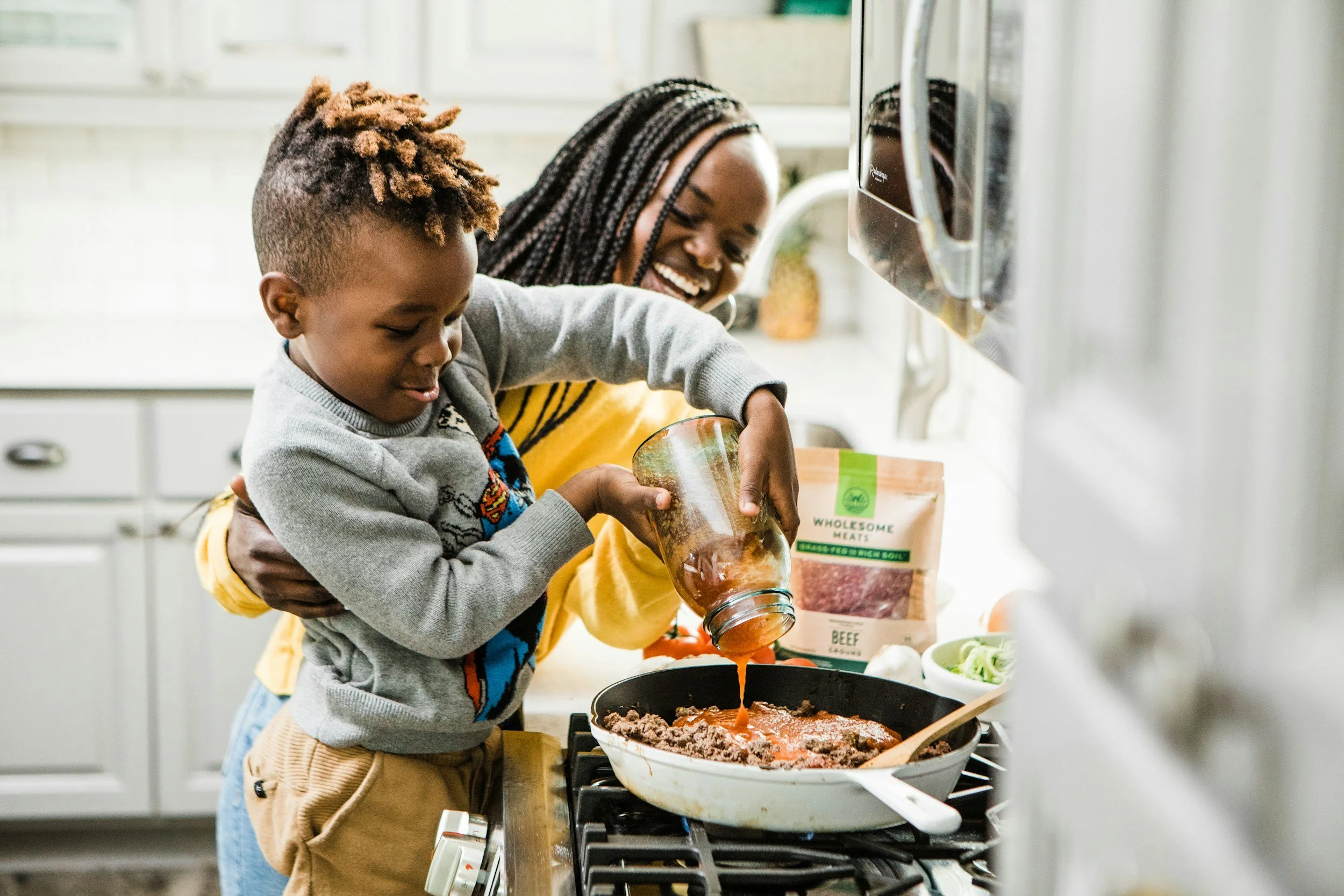
Acts of service are ways we show care by helping, supporting, or making life a little easier for someone we love. These can look very different depending on the person and their needs.
Body doubling - simply being present while your loved one works on a task or activity. Just being there can be supportive while they clean their room, write a report, cook dinner, or tackle something challenging.
Supporting reduced executive functioning demand- Sometimes asking, “What can I do to help?” can feel overwhelming. For some people, it takes a lot of mental energy and executive functioning to sort through the hundreds of “open tabs” in their brain and come up with an example of something that would be helpful.
Offering a specific option can make things much easier: “I’d like to ____. Would this be helpful for you?”
Setting up a sensory- friendly, soothing environment- This could mean dimming the lights, bringing your person a favorite sensory tool, or putting on soft music… but it depends on the person!
Researching – learning about your loved one’s neurotype, sensory needs, or deep interests can be incredibly validating. (Honestly, I feel like “researching” could be a love language all on its own!)
Asking first: Some people prefer for you to ask first, before helping, especially if they’ve experienced a loss of autonomy or independence, or have had others assume they couldn’t do things on their own (aka not presuming competence).
❤️ Gentle reminder: Sometimes well-intentioned acts of service can actually make things more difficult for a neurodivergent loved one. For example, organizing someone’s belongings can make it much harder for them to find what they need. Doing an act of service that’s outside of your regular routine, especially without preparation, can feel disruptive. When in doubt, ask first:
For a partner: “I’d like to cook a meal for you tonight. Would this be helpful for you?”
For a parent—>child: “I’d like to make you a special after-school snack today to show you some extra love. How do you feel about that?”
5. Gifts

Gives can be a wonderful way to show love and care! Here are some examples:
Interest- based gifts: Gifts that are related to someone’s deep interest (some people prefer the word SPIN or special interest) – pokemon cards for their collection, a trip to the aquarium to see the aquatic animal they’ve been learning absolutely everything about… A new book on their favorite topic.
Comfort items- cozy blanket, stuffed animals, safe food (a food or snack that usually feels safe and comfortable for them- can change so it’s totally fine to ask them directly)
Sensory gifts- fidget tools, textured toys, weighted lap pads, fancy earplugs
Experience gifts- museum visits, nature walks, art classes, or another activity (Tip: if possible, plan the time and date together so your loved one can anticipate how it might affect their routine and energy levels.)
Get yourself a lil’ treat- Self care!
😍 A thought: While some people LOVE surprises, others prefer to know what’s coming and may not enjoy a surprise gift. Here are a few ideas to incorporate autonomy and predictability into gift giving in a fun way:
A cute “menu” with small gift items to choose from
A “choose your favorite” snack basket
Picking out a small gift together (with the kiddos, agreeing on clear limits ahead of time is helpful)
Love is in the air! And Every Expression of Love is Valid!
This Valentine’s Day, and every day, remember that love looks and feels different for everyone. There are as many different ways to give and receive love as there are people in the world, and what matters most is that the love comes from a place of safety, respect, and thoughtfulness.
Xoxo,
Nicole